
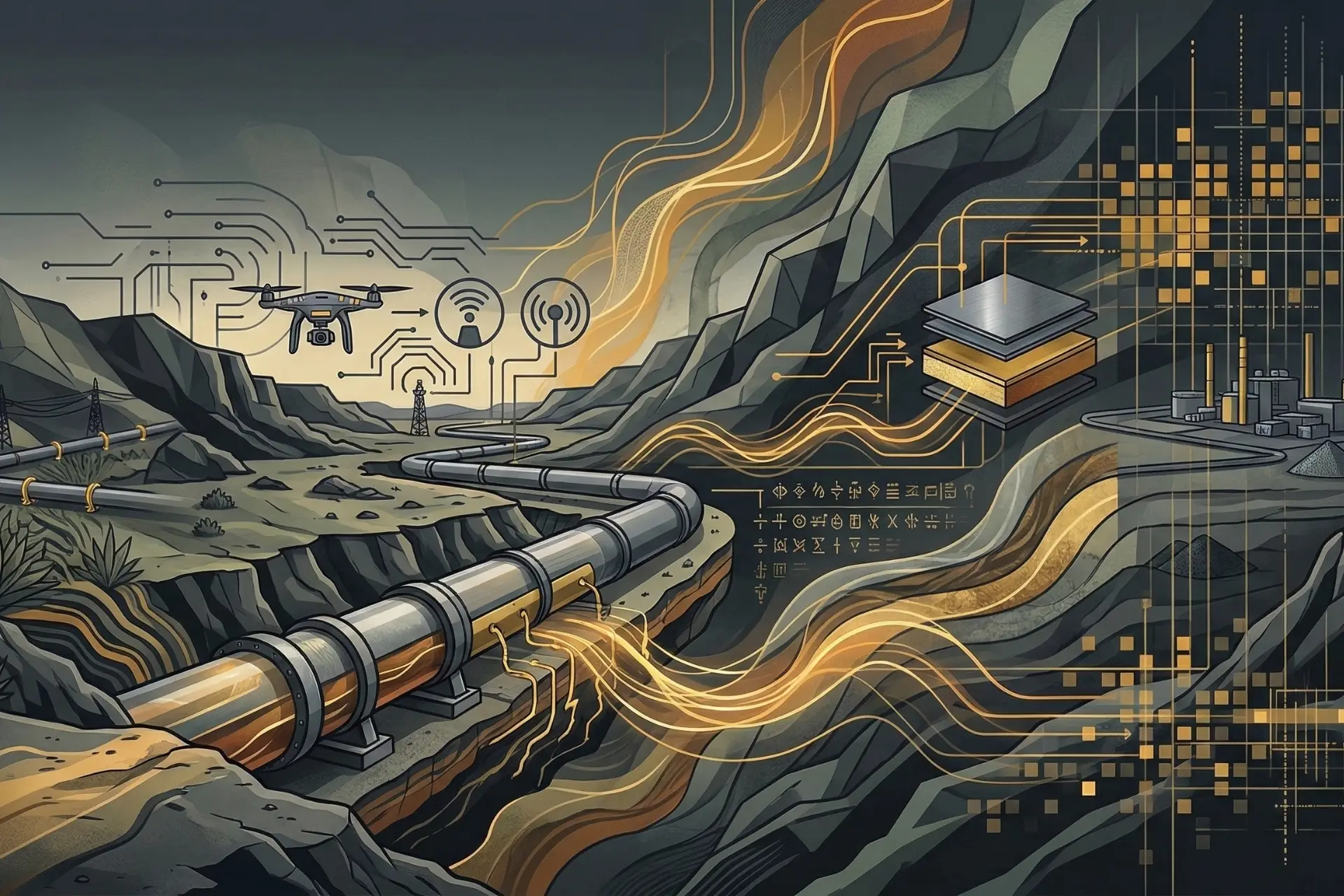
Pipeline integrity is an operations problem before it is a maintenance problem. The most reliable systems are managed with disciplined inspection, fast decision-making, and material choices aligned to actual service conditions. PROVEN Supply is built to support that reality: PVF and oilfield supply coverage, field-smart people, and responsive execution when timelines are tight.
What shortens pipeline life most often
Focus your durability program on the drivers that accelerate degradation:
- Corrosion exposure (internal or external): moisture, chlorides, CO2 or H2S environments, chemical exposure, disbonded coating risk
- Mechanical damage: ground movement, third-party impact, vibration, inadequate supports
- Pressure and temperature cycling: fatigue risk at weak points, welds, and fittings
- Small issues that become big failures: delayed repairs, deferred coating remediation, ignored wall-loss trends
Inspection strategy that finds issues early
Build inspection methods around what you are trying to detect:
- In-line inspection and pigging programs (where applicable): internal metal loss, geometry changes, deposits
- Ultrasonic testing: wall thickness trending, targeted corrosion mapping
- Magnetic flux leakage tools: screening for metal loss and localized corrosion
- Visual and coating surveys: above-ground assets, exposed sections, known splash zones, supports
Operational tip: Treat inspection intervals as risk-based. High-consequence segments and known corrosion environments warrant tighter cycles.
Corrosion control and coatings that extend service life
Durability improves when corrosion is managed as a system, not a one-time event:
- Protective coatings and linings: specify coatings appropriate to burial, UV exposure, temperature, and chemical environment
- Corrosion-resistant material selection: choose grades and schedules based on service conditions, not habit
- Connections and interfaces: manage coating cutbacks, weld areas, flanges, and transitions as typical failure accelerators
- Quality documentation: ensure traceability where required (for example, MTR availability for critical specs)
Leak detection and real-time awareness
Monitoring does not replace maintenance, but it reduces consequence and response time:
- Pressure and flow monitoring with defined alert thresholds
- Segment-level isolation planning
- Response procedures tied to risk and environmental sensitivity
Repair triggers and upgrade decisions
Avoid the trap of “run it until it fails.” Set practical thresholds:
- Wall-loss trend exceeds allowance or accelerates versus baseline
- Recurring leaks at the same joints, fittings, or interfaces
- Coating failure with active corrosion indications
- Operating envelope change (pressure increase, product change, temperature change)
When upgrades are needed, align material, coating, and connection standards to the next operating reality – not the last one.
What PROVEN Supply can support
When you are sourcing for integrity work, uptime depends on correct specs and coordinated execution:
- PVF coverage for construction and maintenance: pipe, valves, fittings, flanges
- Material options aligned to corrosion environments (including coated solutions where specified)
- Availability confirmation, substitutions support (when permitted), and staged delivery/pickup coordination